" transform="translate(2.667 2.667)" width="10.665965142141047px"/></g></svg>)
House Fruk
Reactivating the social spaces along the Coast
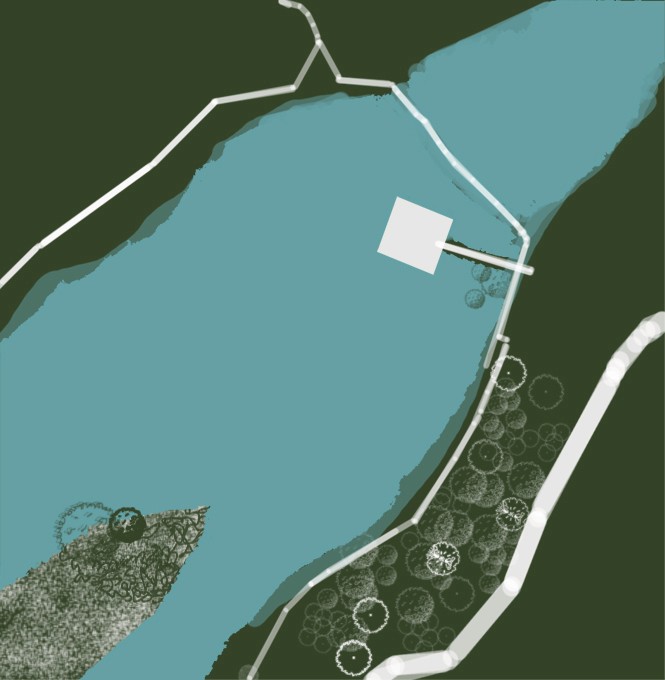
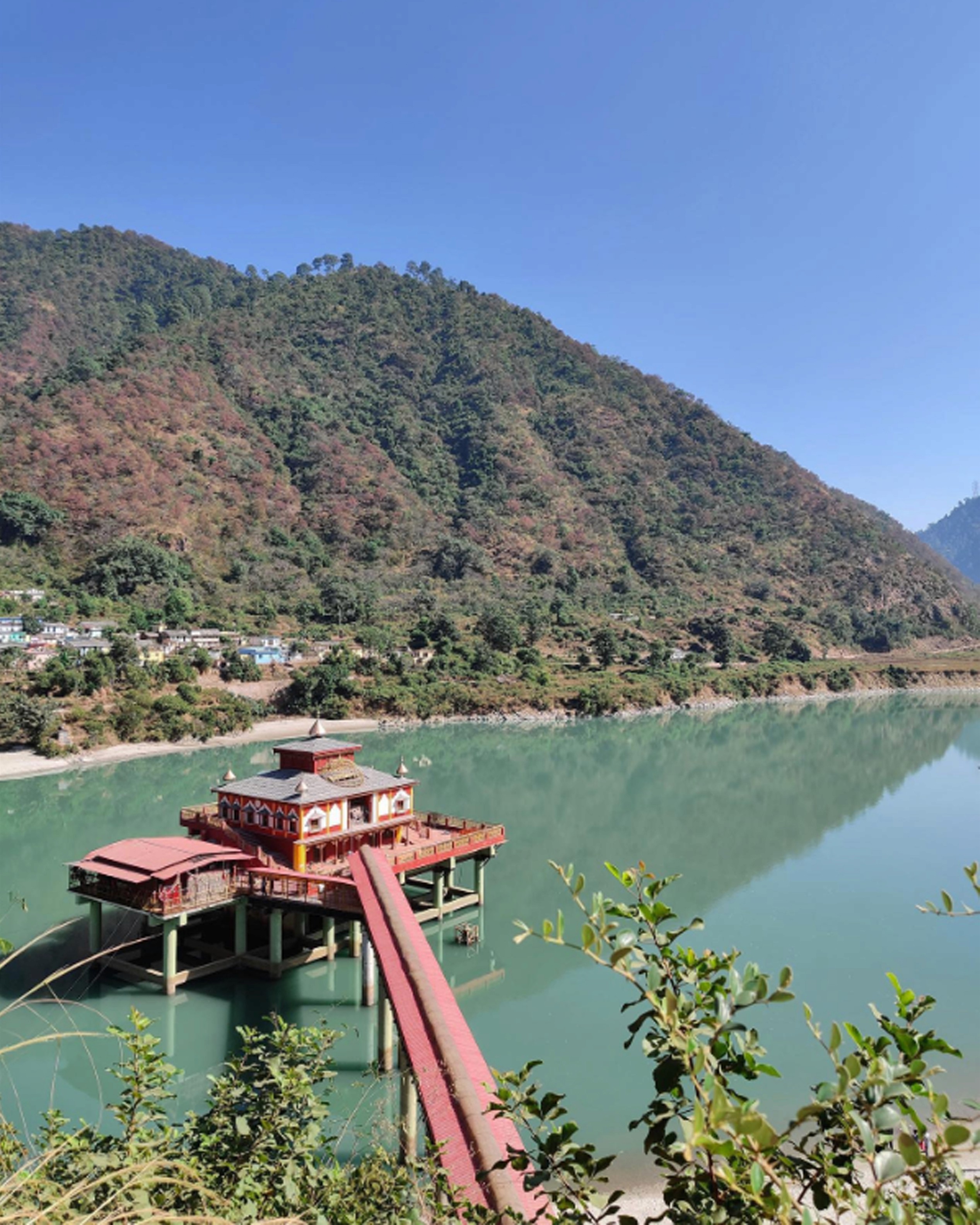
In collaboration with Ar. Lucas Werft, the project explores a way of making architecture feel as though it has always belonged to the landscape.
The house is conceived to float lightly above the terrain, allowing the landscape to flow beneath and around them rather than being treated as a backdrop.
The result is a landscape that feels unplanned, natural and continuously evolving yet is carefully designed at every scale.
We call this approach Planned Wilderness: a deliberate framework that creates the conditions for a landscape to feel wild.
House Fruk
Reactivating the social spaces along the Coast
The project tries to weave lost associations using collective memories using spacial inserts.
The Design carefully knots together the memories and their associated elements from culture and landscape to the existing coastal edge in a sensitive manner. It explores the native edge of dunes, beaches, and settlements as a series of small spatial inserts. These inserts range from a place for a community gathering near the existing community kitchen to small play structures inspired by fish drawing and net structures to a more natural edge to the sand dunes. It also re-shifts and places the fish market in its previous informal organization and character.
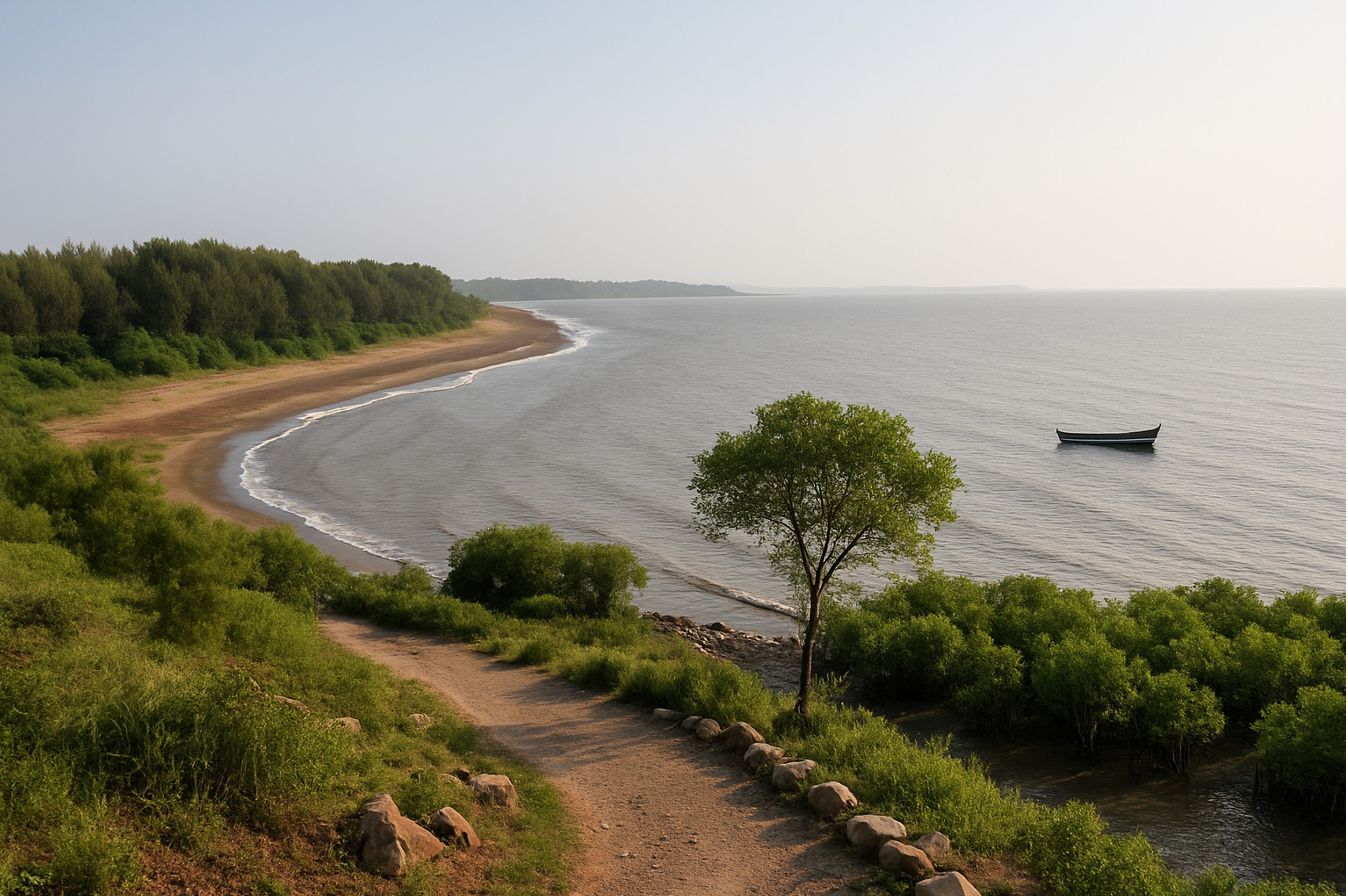
Architecture fragments; the landscape connects.
Architecture fragments; the landscape connects.
Similarly, globalization and urbanization induce changes have brought in shifts and modifications in the lives of people of this land-water transect. This is most evident in the replacement of values, things, and places of fishermen community of the coastal village, Zai.
Similarly, globalization and urbanization induce changes have brought in shifts and modifications in the lives of people of this land-water transect. This is most evident in the replacement of values, things, and places of fishermen community of the coastal village, Zai.
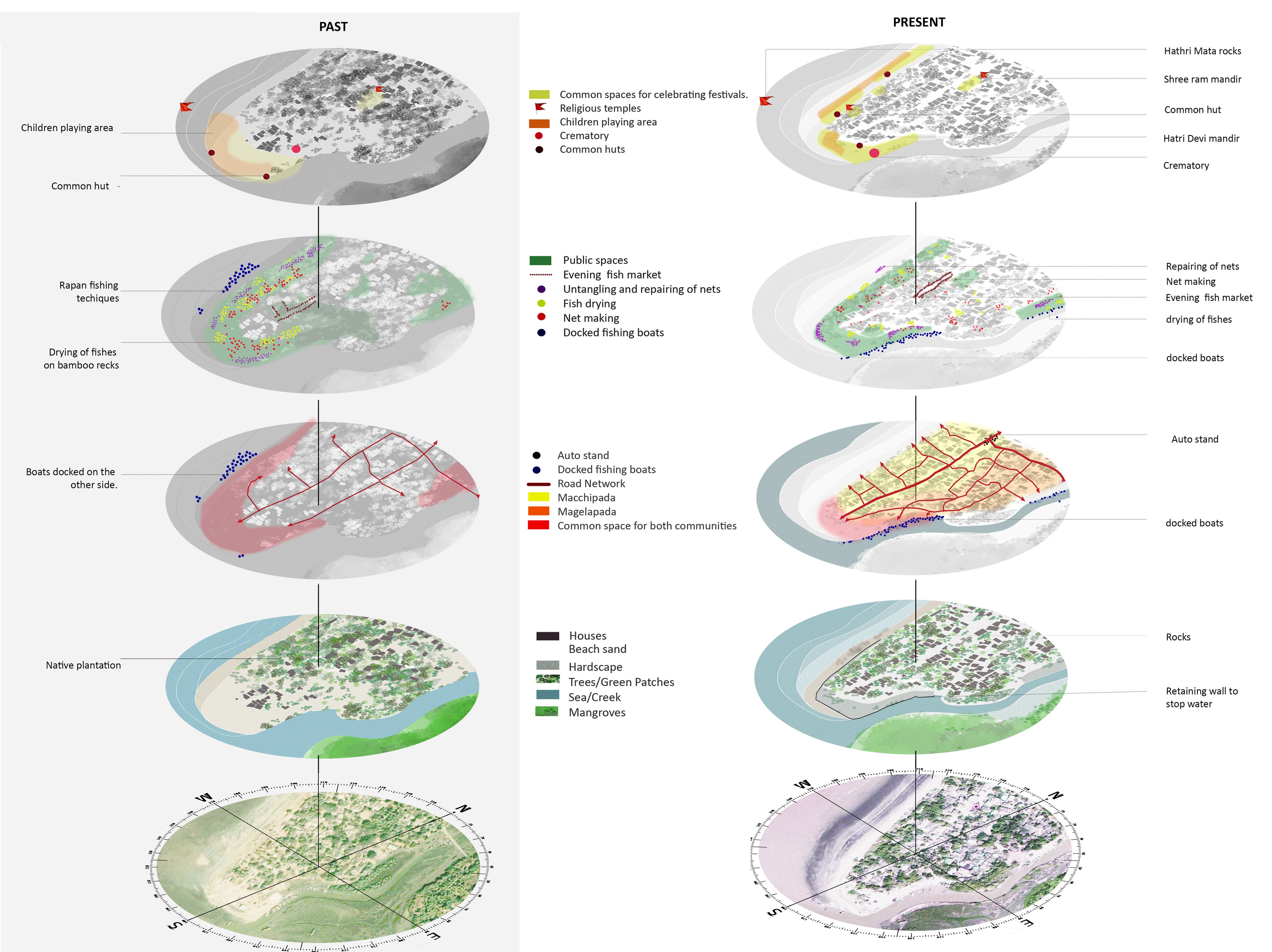
Identifying the Knots - comparing social spaces of the zai community in the past and present. Looking at culture with the lens of replacement. Small social spaces are important in daily activities, mobility, common areas, and associated meanings of the fisherman’s community now and then.
Identifying the Knots - comparing social spaces of the zai community in the past and present. Looking at culture with the lens of replacement. Small social spaces are important in daily activities, mobility, common areas, and associated meanings of the fisherman’s community now and then.

Overlapping layers and investigating Potential knots by understanding past and present.
Overlapping layers and investigating Potential knots by understanding past and present.
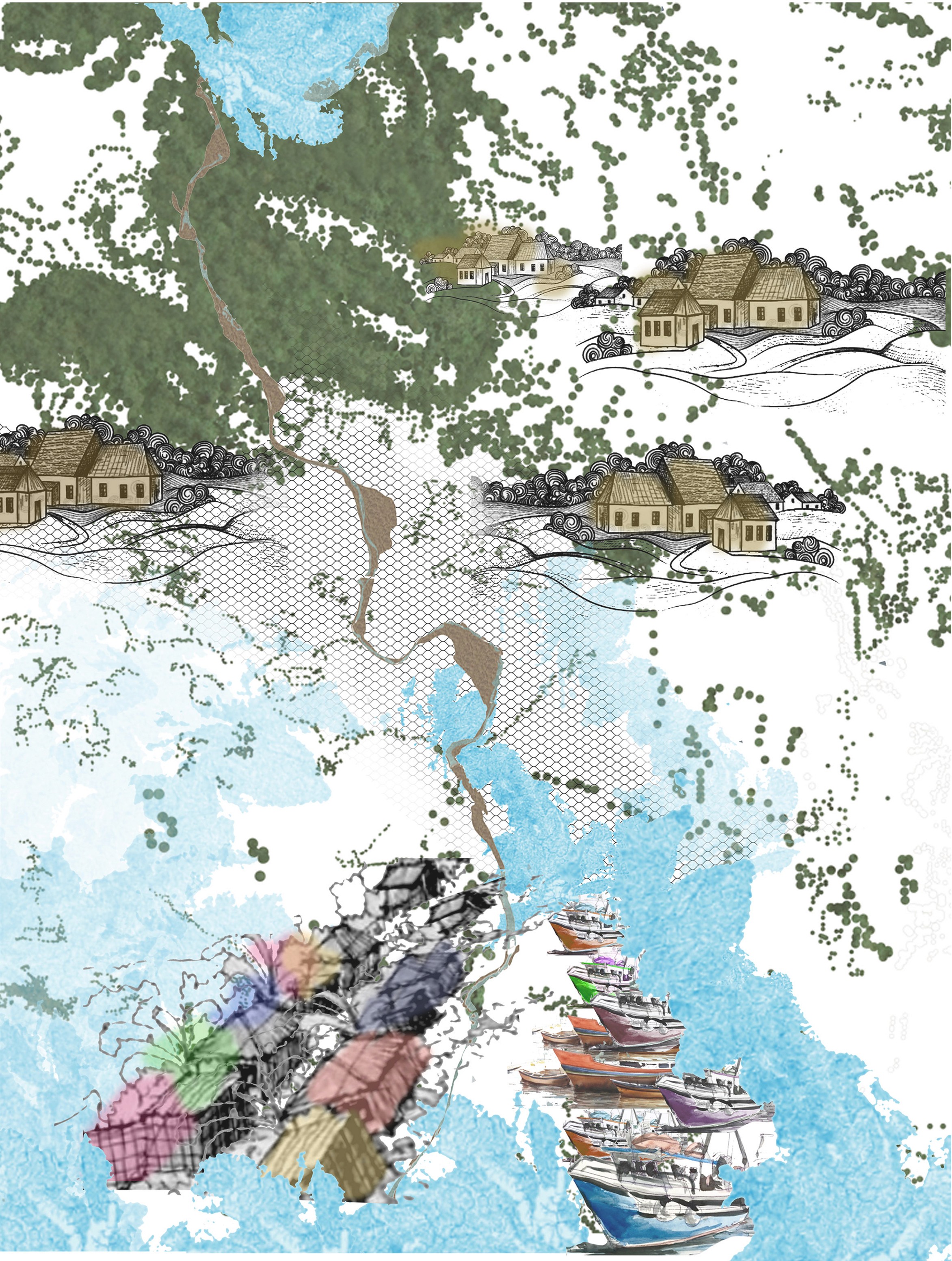
One aspect is the loss of meanings attached to small social spaces along the coast. The coastal erosion, shift in occupations, and new build infrastructure such as embankments and coastal roads have enhanced this shift.
One aspect is the loss of meanings attached to small social spaces along the coast. The coastal erosion, shift in occupations, and new build infrastructure such as embankments and coastal roads have enhanced this shift.

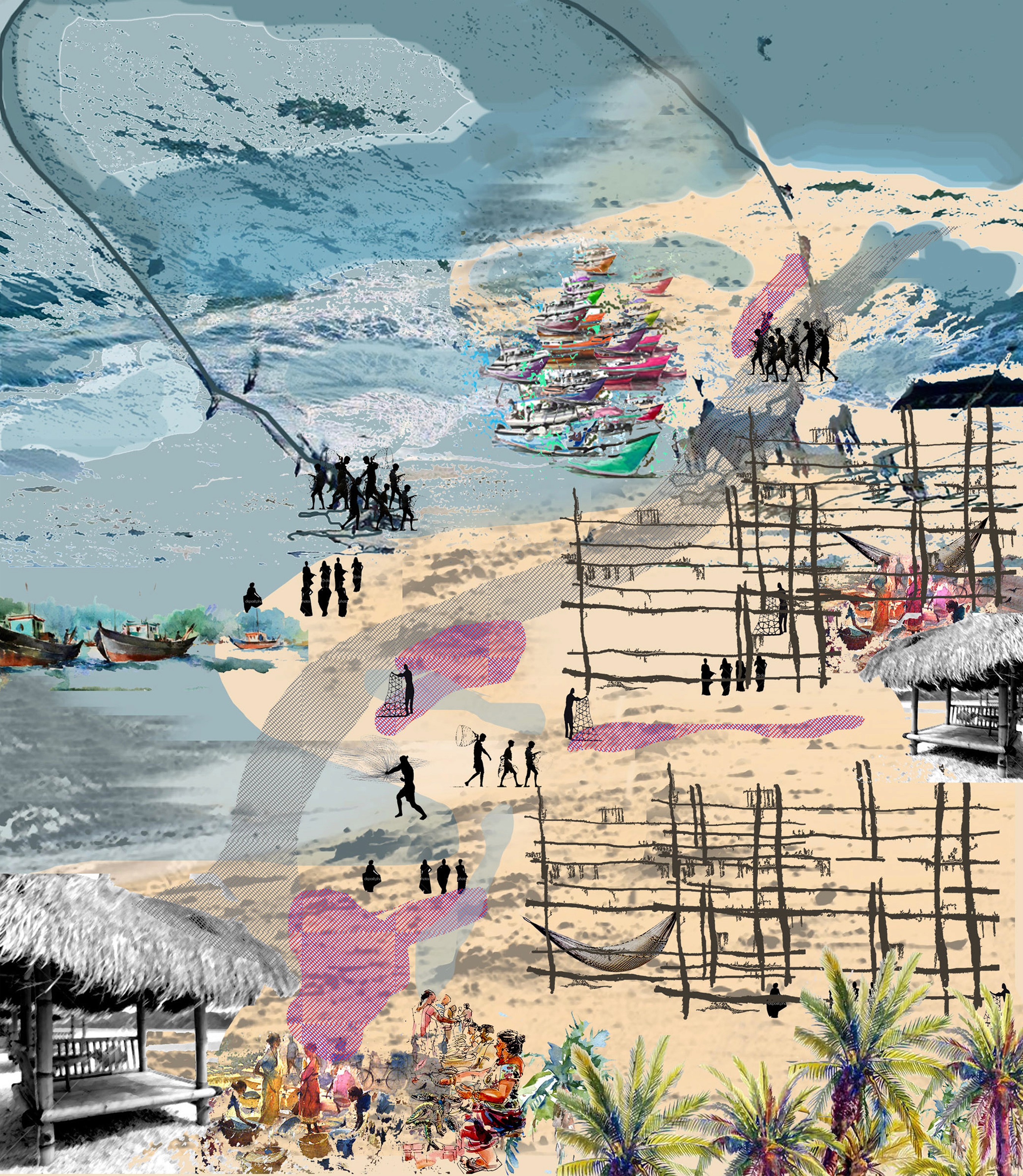
Re-imaging lost spaces and association through editic montages. Reds are depicting the lost spaces and association while blacks are proposed ideas on existing situations.
Re-imaging lost spaces and association through editic montages. Reds are depicting the lost spaces and association while blacks are proposed ideas on existing situations.
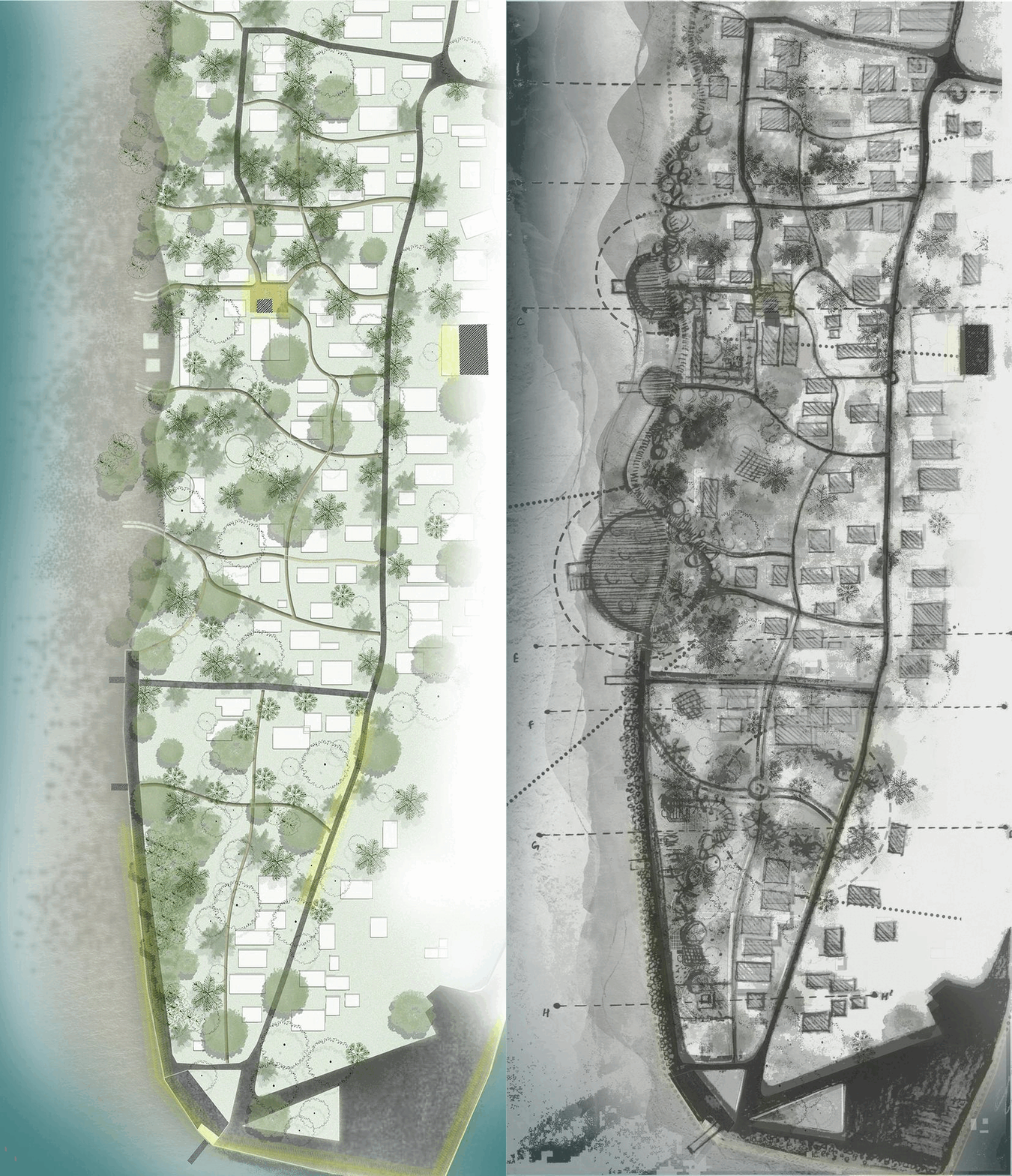
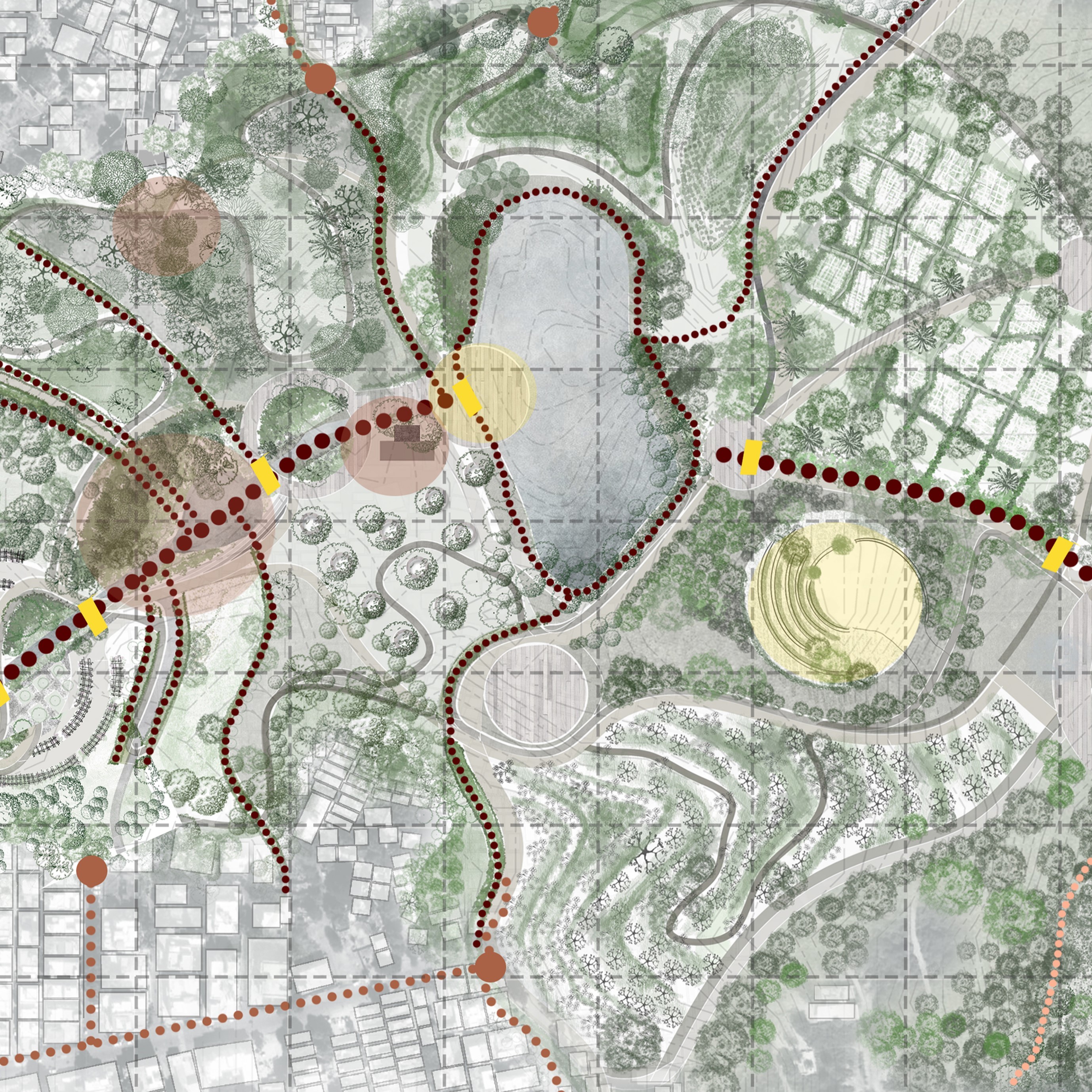
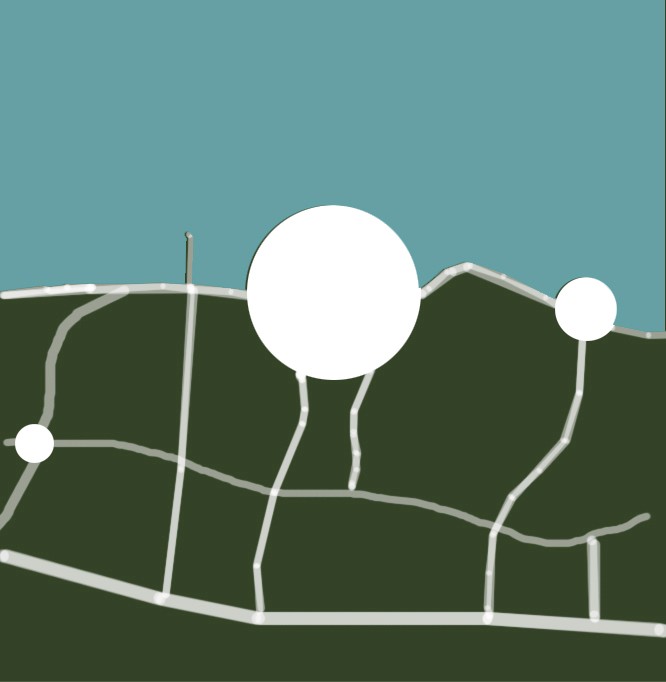
ExistingPlan v/s Masterplan
ExistingPlan v/s Masterplan
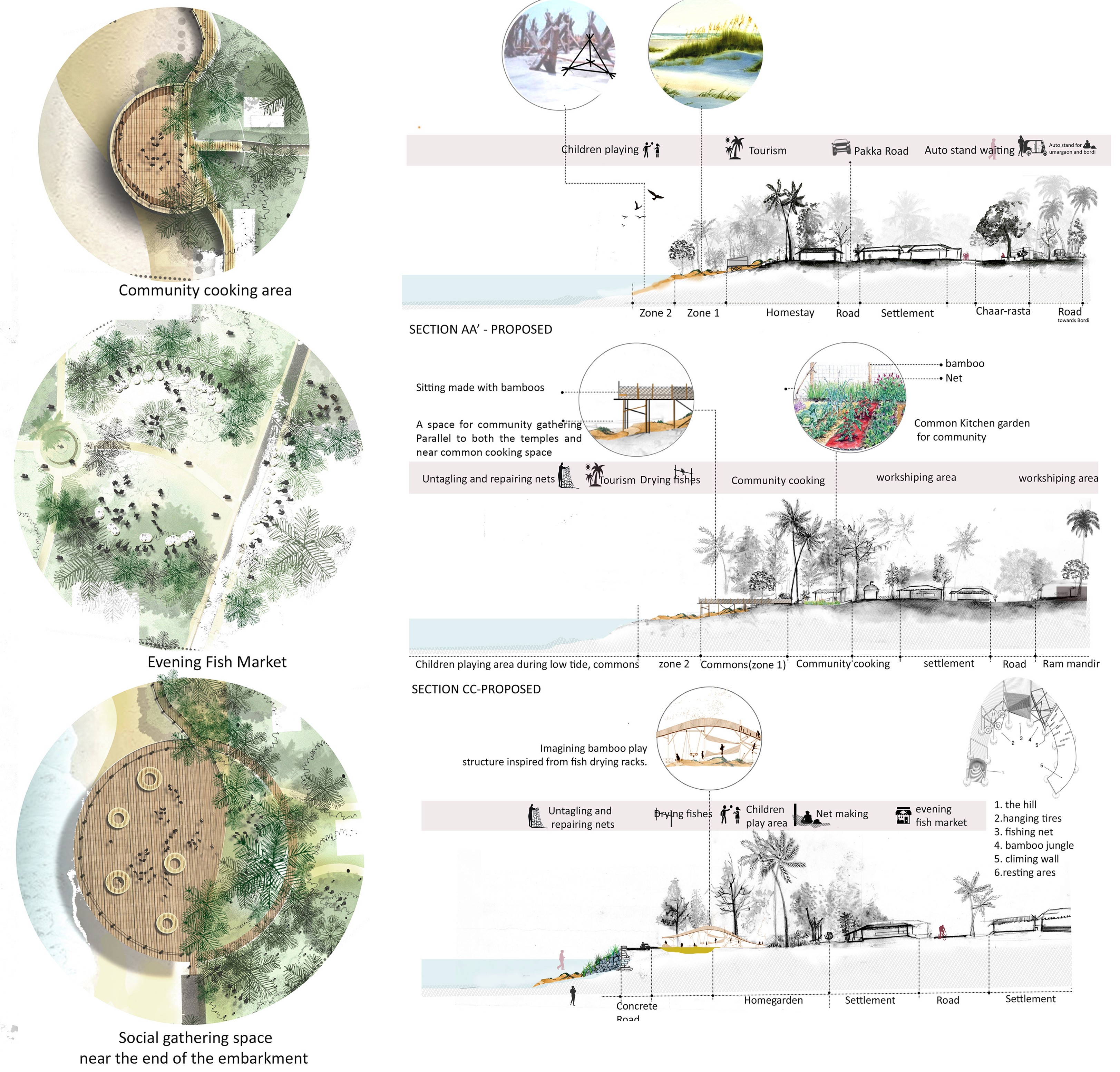
The project tends to acknowledge and re-activate the social spaces along the coast. Social spaces (knots) are designed by overlapping and comparing daily activities, mobility, common areas, and associated meanings of the fisherman’s community now and then.
The project tends to acknowledge and re-activate the social spaces along the coast. Social spaces (knots) are designed by overlapping and comparing daily activities, mobility, common areas, and associated meanings of the fisherman’s community now and then.
House Fruk
Reactivating the social spaces along the Coast
In collaboration with Ar. Lucas Werft, the project explores a way of making architecture feel as though it has always belonged to the landscape.
The house is conceived to float lightly above the terrain, allowing the landscape to flow beneath and around them rather than being treated as a backdrop.
The result is a landscape that feels unplanned, natural and continuously evolving yet is carefully designed at every scale.
We call this approach Planned Wilderness: a deliberate framework that creates the conditions for a landscape to feel wild.
Architecture fragments; the landscape connects.
Similarly, globalization and urbanization induce changes have brought in shifts and modifications in the lives of people of this land-water transect. This is most evident in the replacement of values, things, and places of fishermen community of the coastal village, Zai.
Identifying the Knots - comparing social spaces of the zai community in the past and present. Looking at culture with the lens of replacement. Small social spaces are important in daily activities, mobility, common areas, and associated meanings of the fisherman’s community now and then.
Overlapping layers and investigating Potential knots by understanding past and present.
One aspect is the loss of meanings attached to small social spaces along the coast. The coastal erosion, shift in occupations, and new build infrastructure such as embankments and coastal roads have enhanced this shift.
Re-imaging lost spaces and association through editic montages. Reds are depicting the lost spaces and association while blacks are proposed ideas on existing situations.
ExistingPlan v/s Masterplan
The project tends to acknowledge and re-activate the social spaces along the coast. Social spaces (knots) are designed by overlapping and comparing daily activities, mobility, common areas, and associated meanings of the fisherman’s community now and then.
Similar Projects